
A dusty hood, bug-covered bumper, and gritty windshield are normal Phoenix problems. But when it is time to wash them off, many drivers ask: are tunnel car wash brushes safe for clear coat and paint? The honest answer is yes, when the wash uses well-maintained modern equipment, quality chemistry, and proper vehicle preparation. A poorly run tunnel can create problems. A good one is built to remove the dirt that can cause damage in the first place.
What Modern Car Wash Brushes Are Made to Do
The old image of a car wash brush is a stiff, scratchy material slapping against the side of a vehicle. That is not what a quality express wash should use. Modern tunnel systems use soft, flexible wash media designed to move across the vehicle’s surface while soap and water carry away loosened dirt.
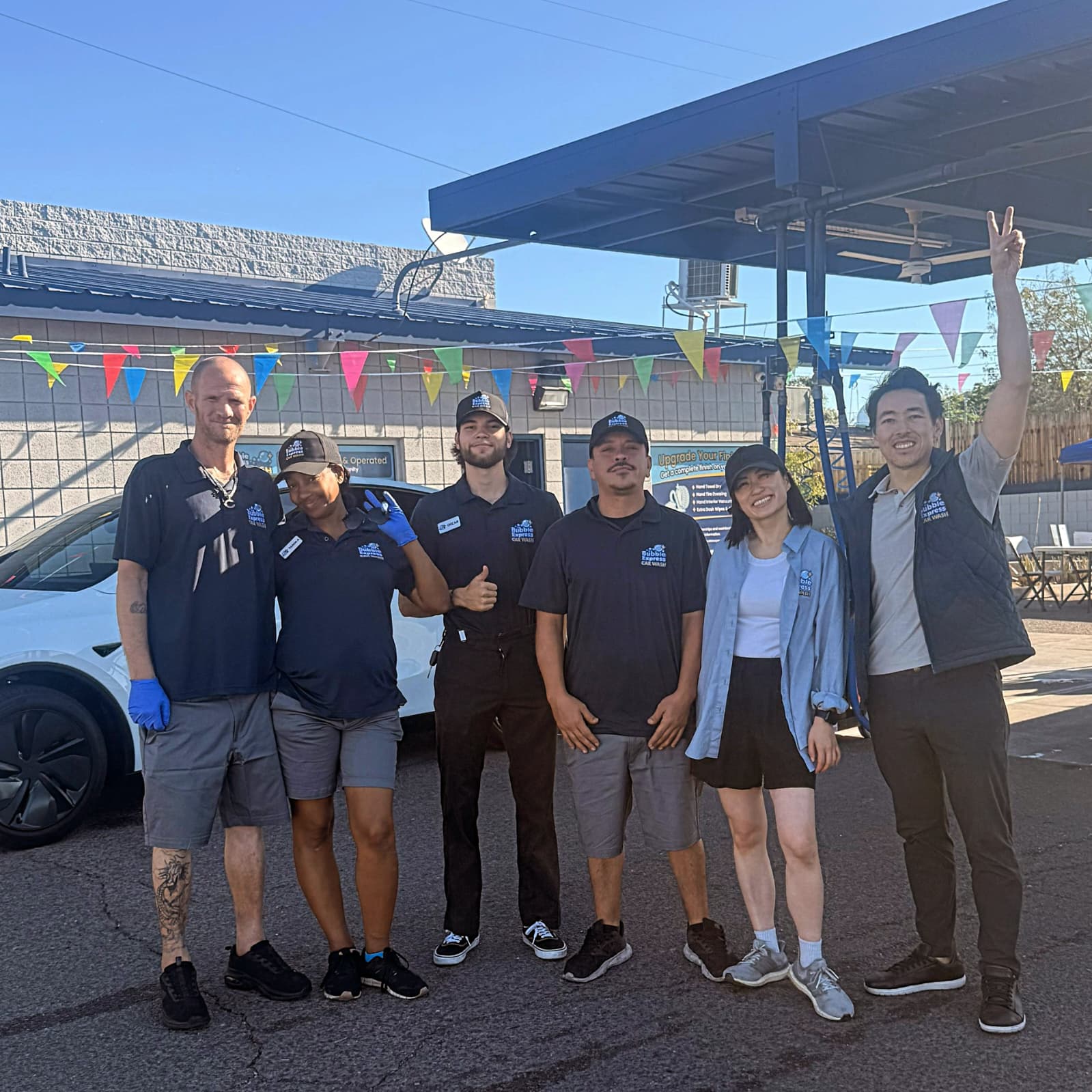
At Bubble Express Car Wash, NeoGlide brushes are part of a wash process designed to clean effectively without treating your paint like a test surface. The material matters, but so does the entire process around it. Rich lather helps lubricate the surface. Pre-soak and prep help break down bugs and road film. High-pressure water helps rinse grit away before and after the brushes do their work.
A brush is not automatically safe simply because it is soft. It needs to be clean, correctly adjusted, and used in a tunnel that maintains its equipment. That is why the quality of the car wash matters more than whether a wash is technically touchless or uses brushes.
Are Tunnel Car Wash Brushes Safe When Your Car Is Dirty?
This is where the details matter. Desert dust is not just a cosmetic problem. Fine grit can sit on paint, glass, trim, and wheels for days. If someone wipes a dry, dusty vehicle with a towel, that grit can drag across the clear coat. The same concern applies to any wash process that does not rinse and lubricate the vehicle properly.
A well-operated tunnel addresses that risk in stages. It starts by wetting and treating the vehicle, which helps loosen dust, bugs, and grime before contact wash materials reach the paint. Soap adds lubrication, and the rinse cycle flushes away what has been lifted. The brushes then provide the gentle friction that a touchless wash often cannot deliver on stubborn road film.
For everyday Phoenix vehicles, that contact can be a benefit. Dust settles quickly, bugs bake onto front ends, and grime collects around rocker panels and rear bumpers. Touchless systems can be convenient, but water pressure and chemicals alone may leave a thin layer of dirt behind. Soft brushes help remove it, especially when they are paired with good prep and a strong rinse.
What Actually Causes Swirl Marks
Swirl marks are fine scratches that become visible in direct Arizona sun, especially on dark paint. They can come from many places: dry dusting, dirty towels, automatic wash equipment that is not maintained, improper hand washing, or even a car cover rubbing against a dusty vehicle.
The key issue is contamination. When dirt gets trapped between any material and the paint, it can create light scratching. That is true of a wash mitt, a drying towel, or a tunnel brush. It is also why a hand wash is not automatically safer. A hand wash with one dirty bucket, a rough towel, or a rushed technique can be harder on paint than a properly maintained tunnel wash.
The best defense is regular cleaning before dirt has a chance to build up and bond to the surface. A car that gets washed consistently is easier to clean gently than one that has been sitting under desert dust and bug residue for weeks.
The Difference Between Light Marks and Real Damage
Most light swirl marks are in the outer clear-coat layer, not the colored paint beneath it. Professional polishing can often reduce or correct them. Deep scratches that catch a fingernail are a different problem and usually come from a sharper impact, such as a brush against a dirty car, road debris, or contact with another object.
No car wash can promise a vehicle will never get a mark. Paint condition, prior care, environmental exposure, and the vehicle’s age all play a role. What a quality tunnel wash can do is lower avoidable risk while giving you a consistently cleaner vehicle than a quick rinse that leaves grime behind.
How to Choose a Safer Tunnel Wash
You do not need to know every part inside a tunnel. You just need to look for signs that the wash takes cleaning seriously. A better wash invests in equipment, keeps the site orderly, uses plenty of soap and water, and has people available to help when something does not look right.
Before choosing a regular wash, pay attention to a few practical details:
- Does the vehicle get a real pre-rinse and soap treatment before the main wash?
- Do the brushes look clean, soft, and properly maintained rather than worn out or dirty?
- Is the wash removing visible dust and road film, not just making the vehicle look wet and shiny?
- Are towels, vacuums, and finishing areas kept clean for customers to use?
A clean finishing area matters because the last step can affect the result. Use a clean towel on a wet, freshly washed vehicle, not on dry dust. If you are wiping door jambs, mirrors, or other spots that hold extra grime, use care and avoid dragging grit across painted panels.
Paint Protection Helps, but It Is Not Magic
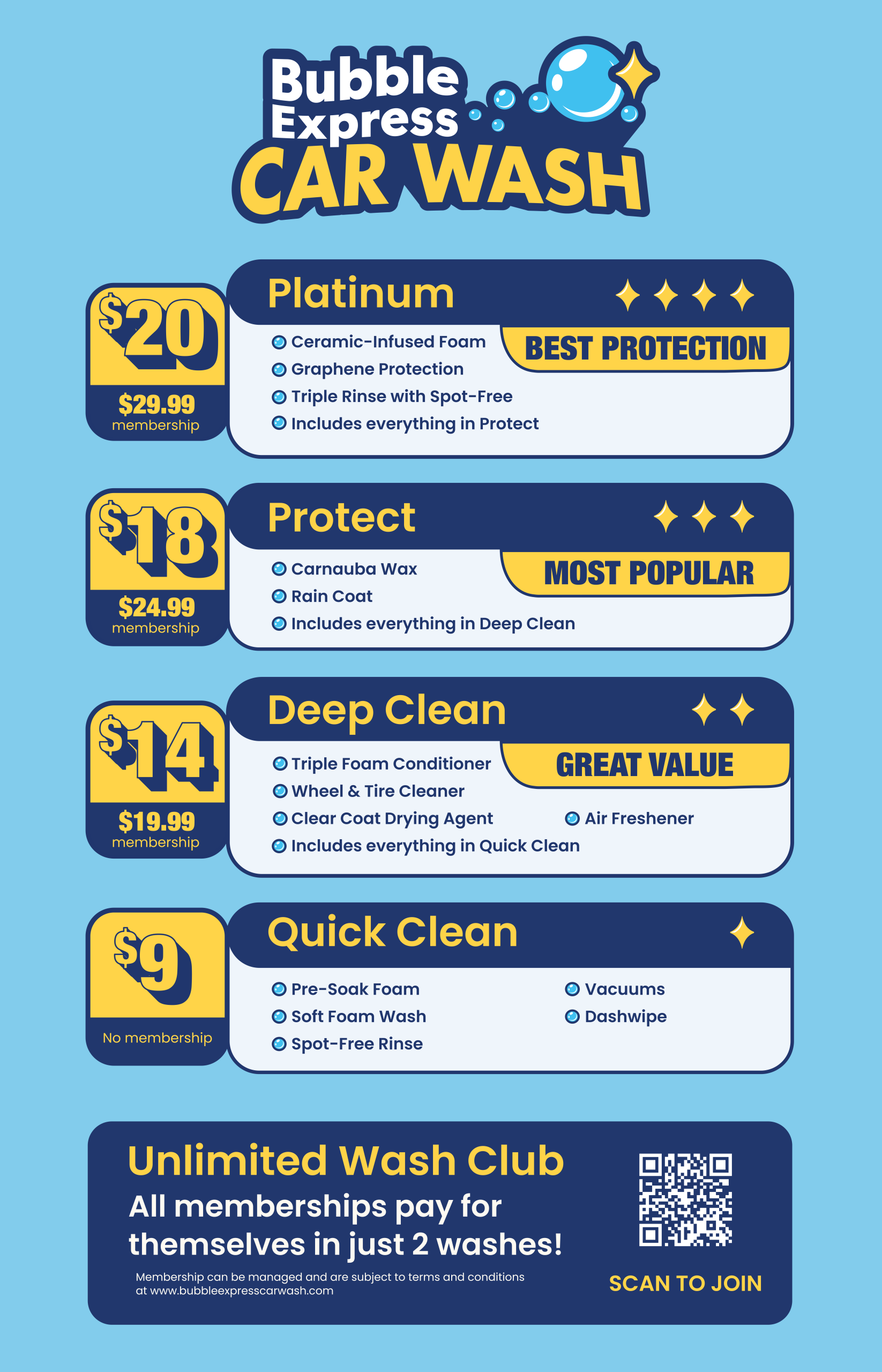
Protective products can make a noticeable difference in Phoenix. A quality protectant can help water bead, make dirt easier to rinse away, and add gloss to the finish. Graphene protection is one option that helps create a slicker, more protected surface, which can make regular washing easier.
Still, protection does not make a vehicle immune to scratches, sun exposure, or baked-on grime. Think of it as helping your paint work less hard between washes. It is most useful when paired with a regular wash routine and common-sense care, such as avoiding dry wiping and removing bird droppings or bug splatter promptly.
For drivers with a brand-new vehicle, freshly corrected paint, or a specialty matte finish, it may make sense to ask the manufacturer or a detailing professional about the right maintenance plan. Matte paint, wraps, and aftermarket accessories can have specific care needs. Most factory-painted daily drivers, however, are designed for normal washing and benefit from keeping contaminants off the surface.
How Often Should Phoenix Drivers Wash Their Cars?
There is no one schedule for every vehicle. A garage-kept car that only runs short errands may need less frequent washing than a commuter parked outside all day. But in North Phoenix, a wash every week or two is a practical baseline for many drivers. Wash sooner after a dust storm, a long highway drive, heavy bug buildup, or parking under trees.
Frequent washing is not about chasing a showroom finish every day. It is about preventing dust, grime, and contaminants from becoming harder to remove. It also makes quick inspections easier, so you can spot a new scratch, chipped paint, or leaking fluid before it gets overlooked.
An unlimited wash membership can be especially useful if your vehicle sees daily miles, school drop-offs, job sites, or regular freeway driving. With no need to debate whether each visit is worth the cost, it is easier to wash after the conditions that make Phoenix cars look rough fast.
A Better Wash Is About the Whole Process
Tunnel car wash brushes are safe when they are part of a well-maintained wash process that uses soft materials, effective prep, plenty of lubrication, and a thorough rinse. They are not the enemy of your paint. Neglected equipment, built-up grit, and dry wiping are the bigger concerns.
Keep your car clean before desert dust turns into stubborn grime, use clean towels at the finish area, and choose a wash that puts real effort into the result. Your vehicle does not need luxury treatment. It needs a wash that will actually clean it properly, week after week.