

Phoenix sun does not give your vehicle much of a break. A car can sit outside for a few hours, collect fine dust on the drive home, and face another round of intense heat the next day. To protect paint from desert sun, you need more than an occasional rinse. You need a practical routine that keeps abrasive dirt off the surface and gives the clear coat a layer of protection between washes.
The good news is that daily drivers do not need museum-level detailing to look good. A clean car, smart parking choices, and the right protective finish can make a real difference over time.
What Desert Sun Does to Your Paint
Your vehicle’s color sits beneath a clear protective layer called clear coat. That clear coat takes the brunt of UV exposure, heat, dust, bug residue, and everything else Phoenix roads throw at it. Over time, intense sun can dry out and oxidize the surface, causing paint to lose depth and shine. On darker vehicles, the change is often easier to spot: the finish can begin to look flat, hazy, or uneven.
Heat makes the problem worse. On a hot afternoon, the surface of a parked car can get far hotter than the air temperature. That heat bakes on bug splatter, bird droppings, hard-water spots, and grime. Leaving those contaminants in place for days gives them more time to mark the clear coat.
Desert dust is not harmless, either. It can contain tiny mineral particles that act like sandpaper when rubbed across dry paint. That is why wiping a dusty car with a dry towel or brushing it off with your hand is one of the fastest ways to create fine scratches.
Start With a Clean Surface
Protection works better when the paint is clean. Wax, sealant, ceramic products, and graphene-based protectants cannot do their best work over a layer of dust, oily road film, or baked-on bugs.
Regular washing also helps you catch problems before they become harder to remove. Fresh bird droppings, bug residue, and tree sap are much easier to deal with than stains that have sat through multiple hot afternoons. If your car is parked outdoors most days, a weekly wash is a good target. After a dust storm, construction-zone commute, or road trip, it may need attention sooner.
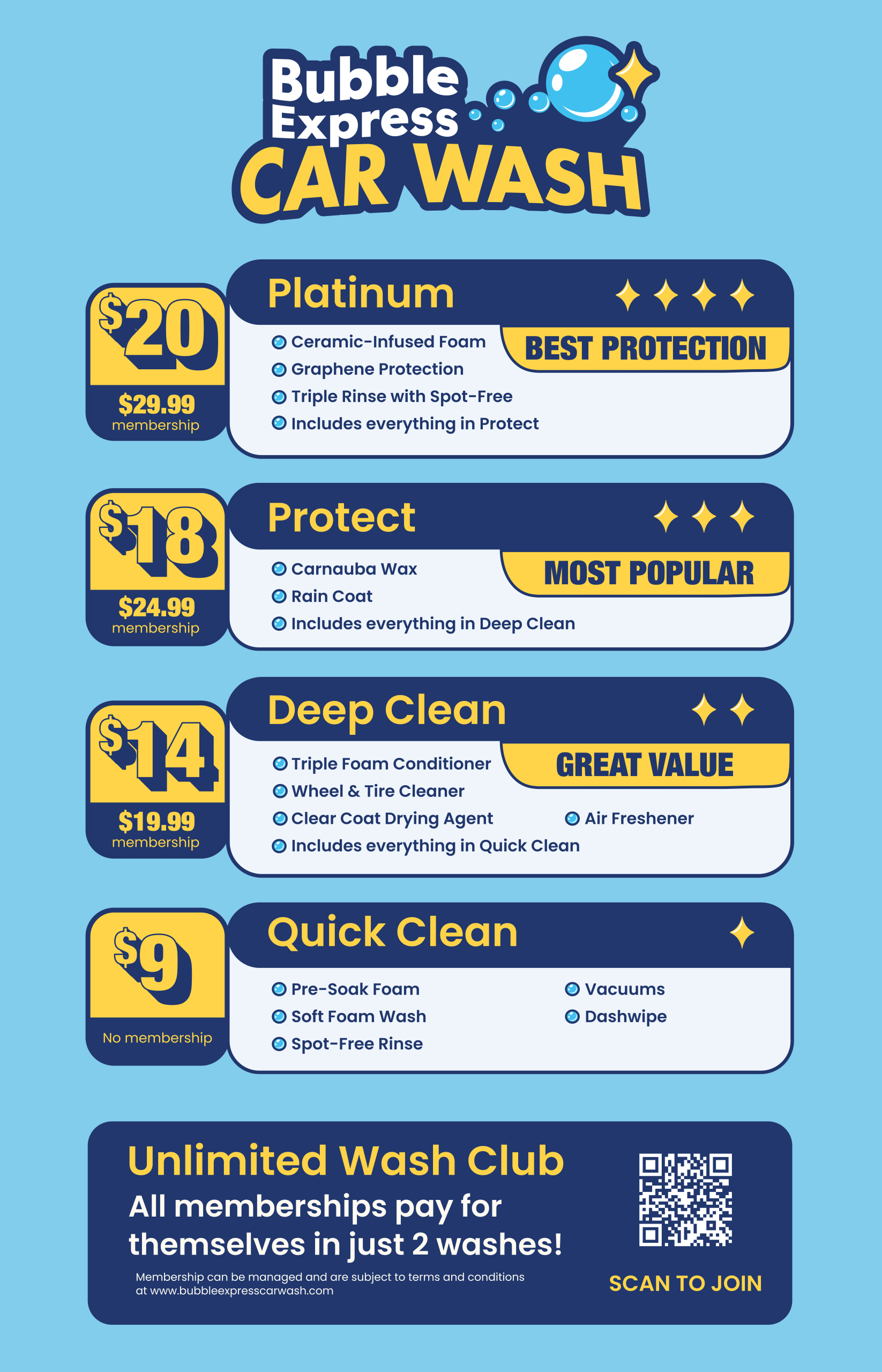
Choose a wash that does more than send your vehicle through a basic rinse. Good soap coverage, deliberate prep, quality brushes, and strong drying all matter. At Bubble Express Car Wash, upgraded wash chemistry and graphene protection are designed for the dust, bugs, and road grime Phoenix drivers deal with every week.
When you finish washing, use clean towels only. Dirty towels can drag grit across the paint. If you use the self-service area, air guns are helpful for clearing water and dust from mirrors, trim, wheel areas, and tight spots before you towel dry.
Protect Paint From Desert Sun With Smarter Parking
Shade is one of the simplest forms of paint protection. A garage or covered parking space lowers surface temperature and reduces the number of direct UV hours your car receives. Even using covered parking at work a few days each week can help over the long run.
When covered parking is not available, look for the next best option. Parking with the rear or front of the vehicle facing the afternoon sun can reduce exposure on the side panels, where faded paint is especially noticeable. A windshield sunshade protects the cabin first, but it also reduces heat transfer through the glass and can make the whole vehicle easier on materials inside and out.
Tree shade can help, but it comes with a trade-off. Sap, pollen, falling seeds, and bird droppings can damage paint if they sit too long in the heat. If a tree is your best option, inspect the car when you get home and wash off fresh residue promptly.
Car covers are another option for vehicles that sit for extended periods. They work best when both the car and the cover are clean. Pulling a dusty cover across dusty paint can create scratches, especially in windy conditions. For a vehicle you drive every day, covered parking and frequent washing are usually more convenient.
Choose the Right Protective Layer
A protective finish adds water repellency and makes it easier to wash away dust and grime. It does not make paint invincible, and it will not reverse fading that has already happened. What it can do is reduce how strongly contaminants stick to the surface and provide a sacrificial layer that takes some of the daily abuse.
Traditional wax gives paint a warm shine and can be a good budget-friendly choice, but it generally needs to be reapplied more often in Phoenix heat. Synthetic sealants typically last longer and offer solid protection for everyday vehicles. Ceramic and graphene-based protectants are popular because they can provide longer-lasting water behavior, gloss, and easier cleanup when properly applied and maintained.
The right choice depends on your vehicle, budget, and habits. If you enjoy maintaining your car and wash it often, wax or a spray protectant may be enough. If your car lives outside, you commute every day, and you want less maintenance between washes, a more durable professional-grade protectant may be worth considering.
Do not judge a product only by how dramatically water beads on day one. A useful protectant should also make the surface easier to clean and help the paint keep a more consistent gloss over time. Regular washing is still part of the deal. Even a strong coating can get buried under dust and mineral buildup.
Avoid the Small Habits That Cause Big Paint Problems
Most paint damage is not caused by one bad day in the sun. It builds through small habits repeated over months. Avoid writing in dust with a finger, using an old bath towel to dry the car, or running a dry microfiber across a dirty panel. Those quick fixes can leave visible swirls under bright Phoenix sunlight.
Be careful with hard water, too. If you wash at home, do not let water dry on the paint in direct sun. Mineral spots can be stubborn, and aggressive scrubbing to remove them can create more problems. Washing early in the morning, in the evening, or at a wash with proper drying equipment is easier on the finish.
Fuel spills deserve quick attention. So do bird droppings and bug splatter. Keep a clean microfiber and a paint-safe quick-clean product in the vehicle if you park outside frequently, but use them only after loosening the residue. Scrubbing a dry spot is rarely the answer.
Give Your Paint a Simple Phoenix Routine
You do not need to overthink car care. A routine you actually follow beats expensive products sitting unused in the garage. Wash regularly, especially after dust storms and heavy bug buildup. Dry with clean towels when needed. Keep a protective finish on the paint, and park under cover whenever it is practical.
Pay extra attention to horizontal surfaces such as the hood, roof, trunk, and upper door panels. These areas receive the most direct sun and often show fading first. Light-colored vehicles can hide damage longer, while black, red, blue, and other darker colors may reveal hazing and swirl marks sooner.
If your paint already looks chalky, rough, or noticeably faded, a wash alone may not bring back the finish. A professional detailer can assess whether paint correction, polishing, or more involved restoration makes sense. The earlier you address oxidation, the better the chance of improving the appearance without more aggressive work.
Your car does not have to be perfect to stay protected. Keep the dust from building up, remove the stuff that bakes on, and give the paint a little help before another Phoenix summer does what it always does.