Phoenix dust has a way of showing up the day after a wash. Add sun, bug splatter, road grime, bird droppings, and hard-water spots, and it is fair to ask: does graphene protect car paint or is it just another wash-menu buzzword? The honest answer is yes, graphene protection can help your vehicle stay cleaner, shine better, and shed water more easily. But it is not an invisible force field, and the results depend on the product, the application, and how you care for the car afterward.
For everyday drivers, that is still good news. A quality graphene protectant added during a wash is a practical layer of defense against the mess Phoenix vehicles face every week.
What Graphene Protection Does for Car Paint
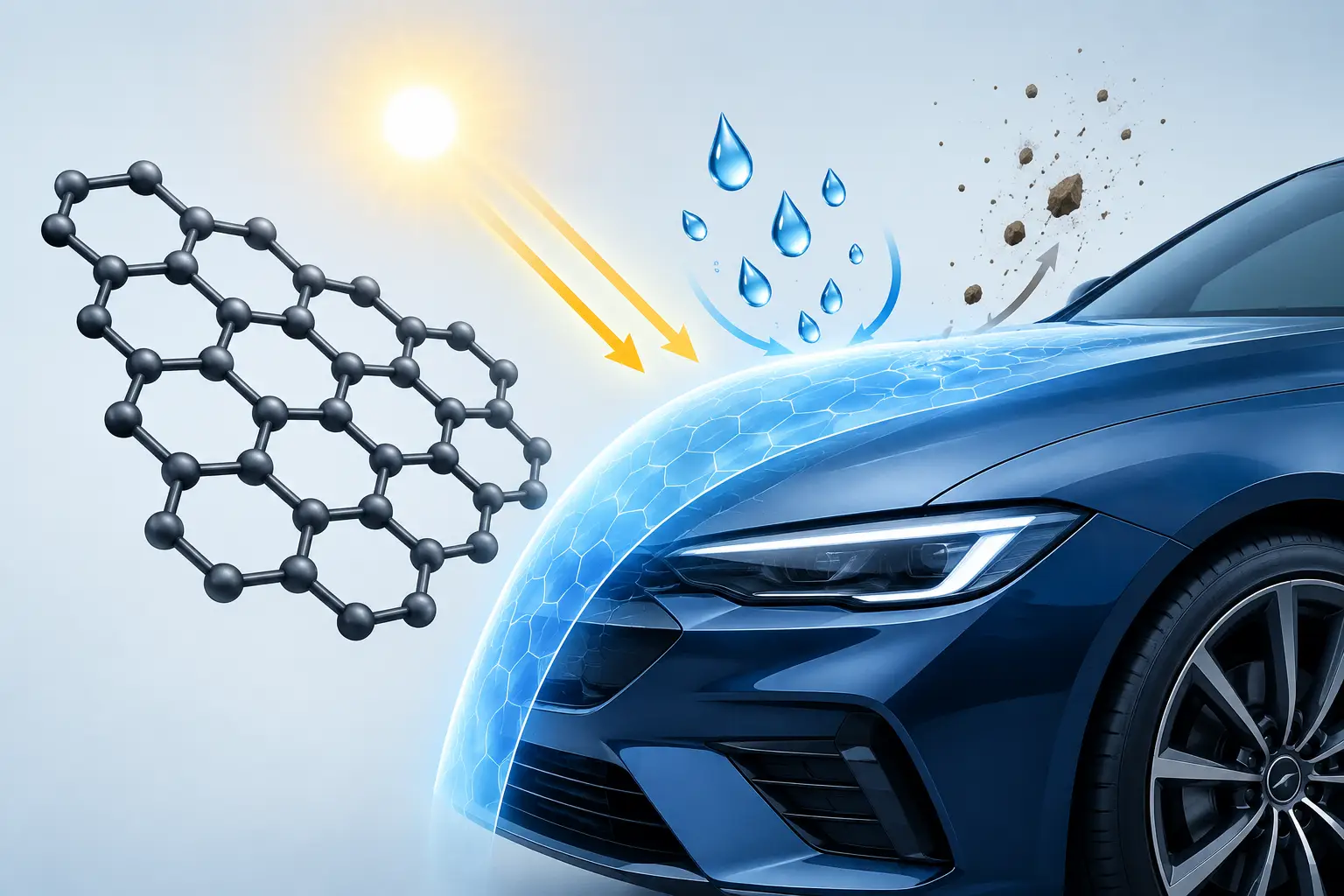
Graphene is a carbon-based material known for being extremely thin and strong. In car care, graphene is blended into protective formulas that are applied to the surface of your vehicle. These formulas are designed to leave behind a slick, water-repelling layer over the clear coat.
Your paint is not usually getting a sheet of pure graphene. It is getting a graphene-infused protectant formulated for automotive surfaces. That distinction matters because the performance comes from the full formula, not the word graphene alone.
At its best, graphene protection helps in a few useful ways. It can improve water beading, meaning water gathers into droplets and rolls off more readily instead of sitting flat on the paint. It can also make dust, light grime, and fresh bug residue less likely to grip the surface. When the car is cleaner to begin with, the next wash is often easier too.
There is also the visual benefit. A protected clear coat can look glossier and more reflective, especially after the vehicle has been properly cleaned. On darker cars, where Phoenix dust seems to appear instantly, that smoother finish can make a real difference in how long the vehicle looks freshly washed.
Does Graphene Protect Car Paint From the Arizona Sun?
Graphene protection can support your paint in harsh weather, but it cannot replace common-sense sun protection. Arizona UV exposure is tough on every vehicle, especially one that lives outdoors. Over time, sun can dull paint, fade trim, and wear down any protective product.
A graphene protectant may help reduce how strongly contaminants stick to the surface, and some formulas are designed with UV-protection benefits. Still, it will not stop paint oxidation forever, reverse existing clear-coat damage, or make a car immune to sun fading. Parking in shade or a garage when possible remains one of the smartest things you can do for the finish.
Think of graphene as part of a regular paint-care routine, not the entire routine. It gives your clear coat a helping hand against daily exposure. It does not eliminate the need to wash off dust, bird droppings, tree sap, bugs, and mineral-heavy water spots before they have time to bake onto the surface.
It Helps Most With Everyday Contaminants
For North Phoenix commuters and families, the day-to-day payoff is usually more noticeable than any dramatic claim about scratch-proof paint. A protected vehicle may rinse cleaner after a dusty drive, dry with fewer lingering water marks, and hold a brighter finish between washes.
That matters because contamination is not just a cosmetic problem. Bird droppings and bug splatter can be acidic. Hard-water spots can leave mineral deposits. Fine desert dust can act like an abrasive when it is rubbed across dry paint. The sooner that mess comes off, the better your paint is likely to look over time.
What Graphene Cannot Do
It is worth being clear about the limits. Graphene protection is not a substitute for paint protection film, paint correction, or a professionally installed long-term ceramic coating. It also cannot repair chips, deep scratches, peeling clear coat, or oxidation that has already set in.
A wash-applied graphene protectant will not prevent damage from shopping carts, flying road debris, hail, or someone dragging a dusty towel across the hood. It may add slickness and make light contamination easier to remove, but no wash add-on should be treated as guaranteed scratch protection.
Its durability also has limits. Protection applied during an express wash is meant to be convenient and repeatable. It generally will not last as long as a carefully prepared, professionally installed coating. That does not make it less useful. It simply means regular washes and repeat applications are the practical way to maintain the benefit.
Why Regular Washing Still Matters
A protective layer works better when it is sitting on clean paint. If dust, grime, and old residue are already covering the surface, the finish cannot look its best and the protectant cannot perform as evenly.
The goal is not to obsess over every speck of dust. It is to avoid letting harsh contaminants stay on the vehicle for weeks. In Phoenix, a regular wash schedule makes sense because conditions change quickly. One commute through construction dust, one highway trip with bugs, or one surprise rain can leave a clean car looking rough fast.
For many drivers, washing every week or two is a practical rhythm. If you park outside, drive daily, or notice dust building up quickly, weekly washing can be even more worthwhile. Consistent washing also gives you a chance to spot fresh bird droppings, sap, or water spots before they become harder to remove.
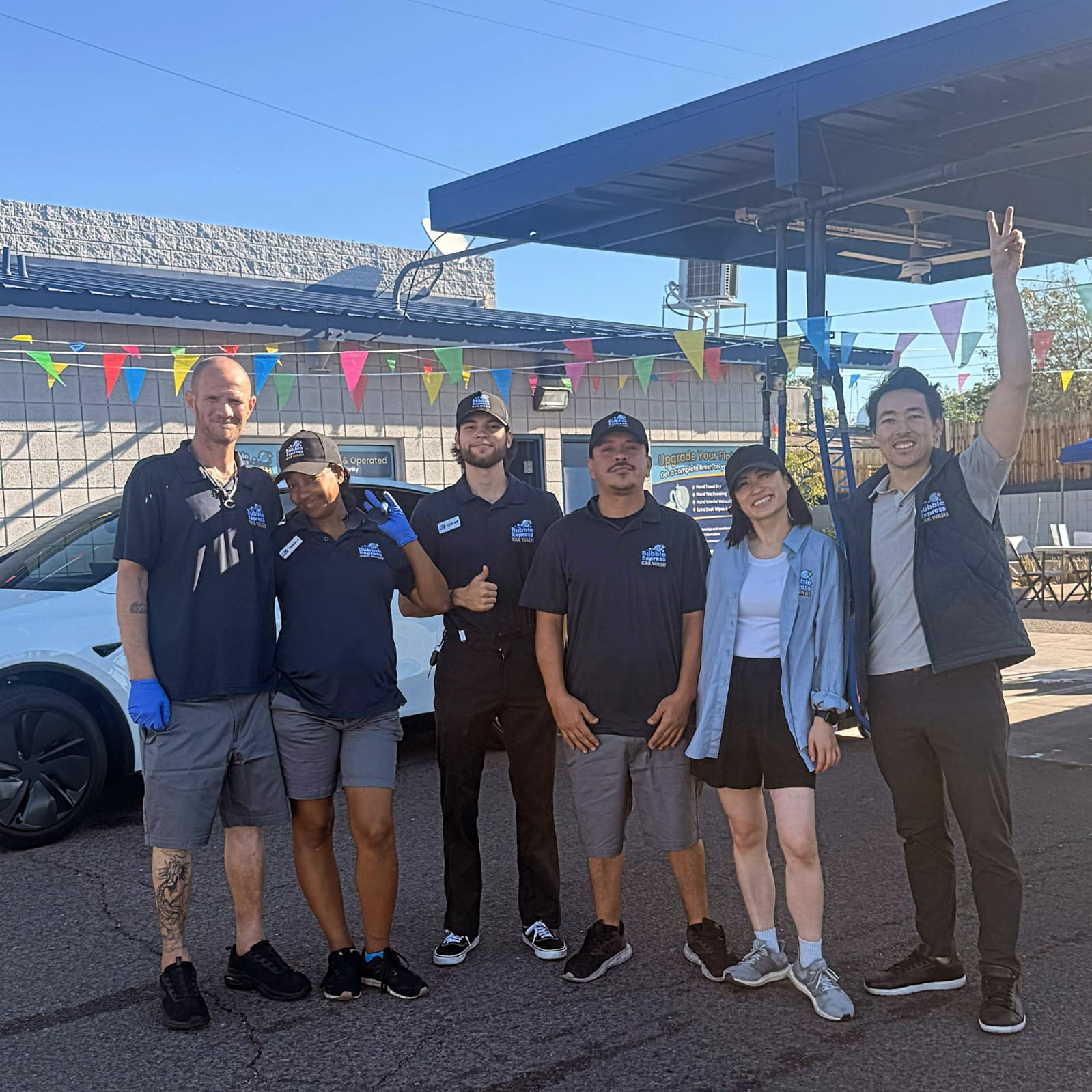
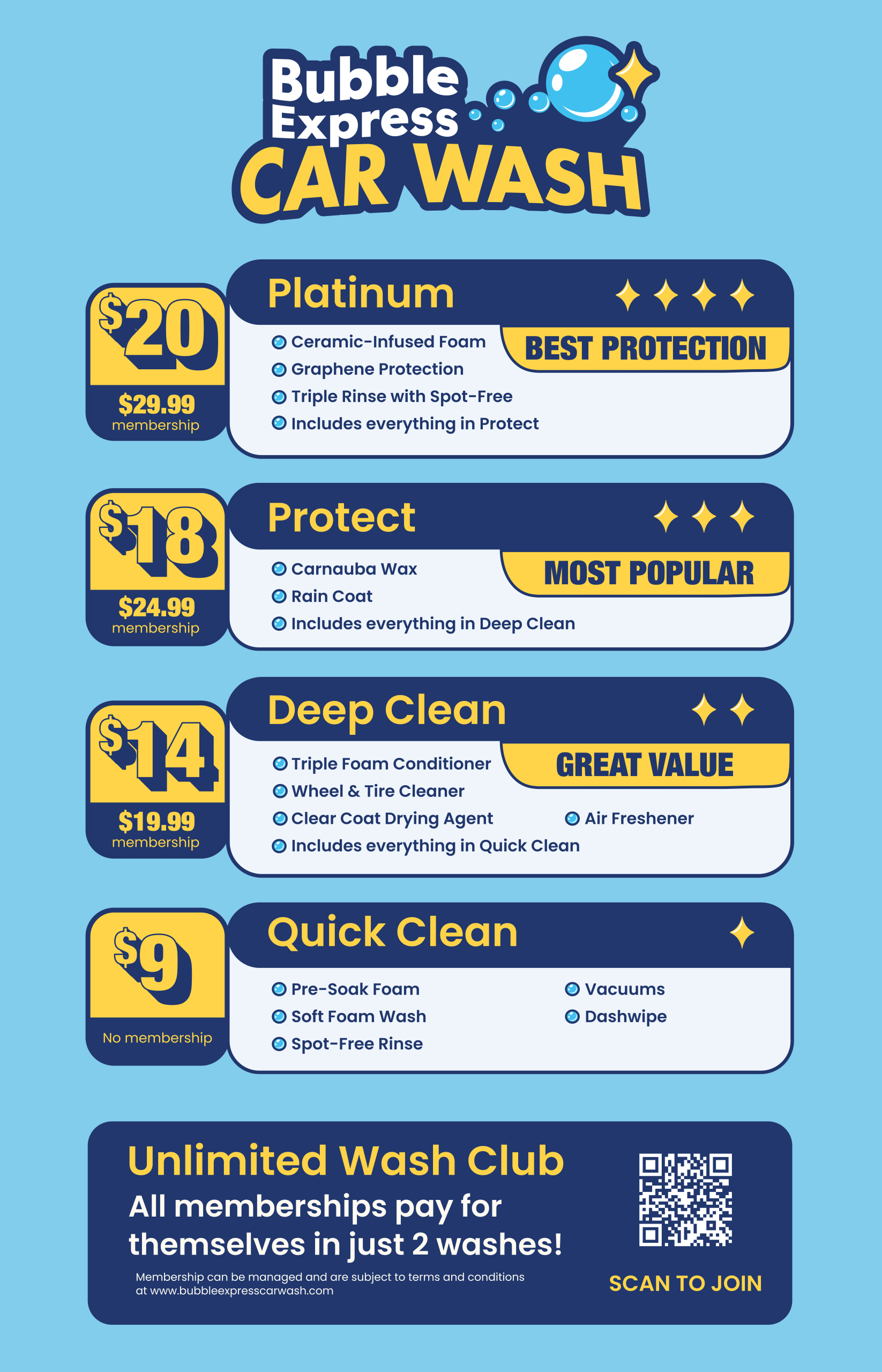
At Bubble Express Car Wash, graphene protection is part of a better wash built for the real conditions local drivers deal with. Strong wash chemistry, quality equipment, and a useful protectant work together better than a quick rinse that leaves dirt behind.
How to Get Better Results From Graphene Protection
The biggest difference comes from what happens before and after the protectant is applied. A good wash should remove visible dirt first, especially from lower panels, wheels, and the front end where bugs and road grime build up. Applying protection over a dirty surface is not the same as applying it after a thorough clean.
After the wash, use clean towels for any remaining water. Drying matters in Phoenix because mineral-rich water can leave spots as it evaporates in the heat. Air guns are helpful around mirrors, badges, door handles, and trim where water likes to hide and drip later.
Avoid wiping heavy dust off a dry vehicle. It is tempting when the car looks dirty in the driveway, but dry dust can scratch when it is pushed across paint. A proper wash with lubrication from soap is much safer than trying to polish the dust away with a towel.
If you use spray detailers or other products at home, choose products made for automotive paint and follow the label. Mixing too many products does not automatically add more protection. In some cases, it can leave streaks or interfere with the clean, slick finish you are trying to maintain.
A Better Choice Depends on Your Goal
If you want an easy way to help your daily driver stay cleaner and look shinier between washes, graphene protection is a strong fit. It is especially useful for vehicles that see regular sun, dust, bugs, and city driving.
If you own a new vehicle, a show car, or a vehicle with paint you want to preserve for years, you may want to consider a more intensive detailing service or a long-term coating in addition to routine washes. And if your clear coat is already heavily scratched or faded, paint correction may be the right first step before any protectant.
For most vehicles, though, the best protection is the protection you will actually maintain. Keep contaminants from sitting too long, wash with care, dry the vehicle well, and refresh the protective layer regularly. Your car does not need to be perfect to look well cared for – it just needs a better defense against the desert mess waiting outside.