
Phoenix dust does not wait for a convenient time to show up. It settles on your paint overnight, sticks to morning dew, and mixes with bugs, road film, and parking-lot grime by the end of the day. A good tunnel wash is built to handle that regular buildup quickly, so your vehicle leaves looking like it was actually cleaned – not just sprayed with water.
For drivers in Sunnyslope and North Phoenix, speed matters. So does the result. The right wash process combines deliberate prep, quality soap, capable equipment, and the tools to finish the job after the tunnel. That is what turns a quick errand into a cleaner car you can feel good about driving.
What a Tunnel Wash Does Differently
A tunnel wash moves your vehicle through a series of cleaning stages while you stay in the car. It is designed for consistency: your vehicle is guided onto a conveyor, prepared by the wash team, treated with soaps and cleaning solutions, washed with moving equipment, rinsed, protected, and dried.
The format is fast, but it should not feel rushed. The difference between a basic automated wash and a better one comes down to the details inside that process. If the car is not prepared well, dirt can remain around the wheels, front bumper, mirrors, rear hatch, and lower panels. If the chemistry is weak, desert dust and road grime may still leave the paint looking dull. If the drying is poor, water spots can take away from an otherwise clean finish.
A capable tunnel is designed to address each of those steps in order. The goal is simple: remove the dirt you can see, help protect the surface, and make it easy to take care of the spots a machine cannot reach.
The Parts of a Better Tunnel Wash
The best wash experience starts before your car enters the tunnel. Preparation matters because Phoenix vehicles collect grime in places that need more than a quick rinse. Bugs on the grille, brake dust on wheels, and buildup along rocker panels can hold on tight after a week of commuting.
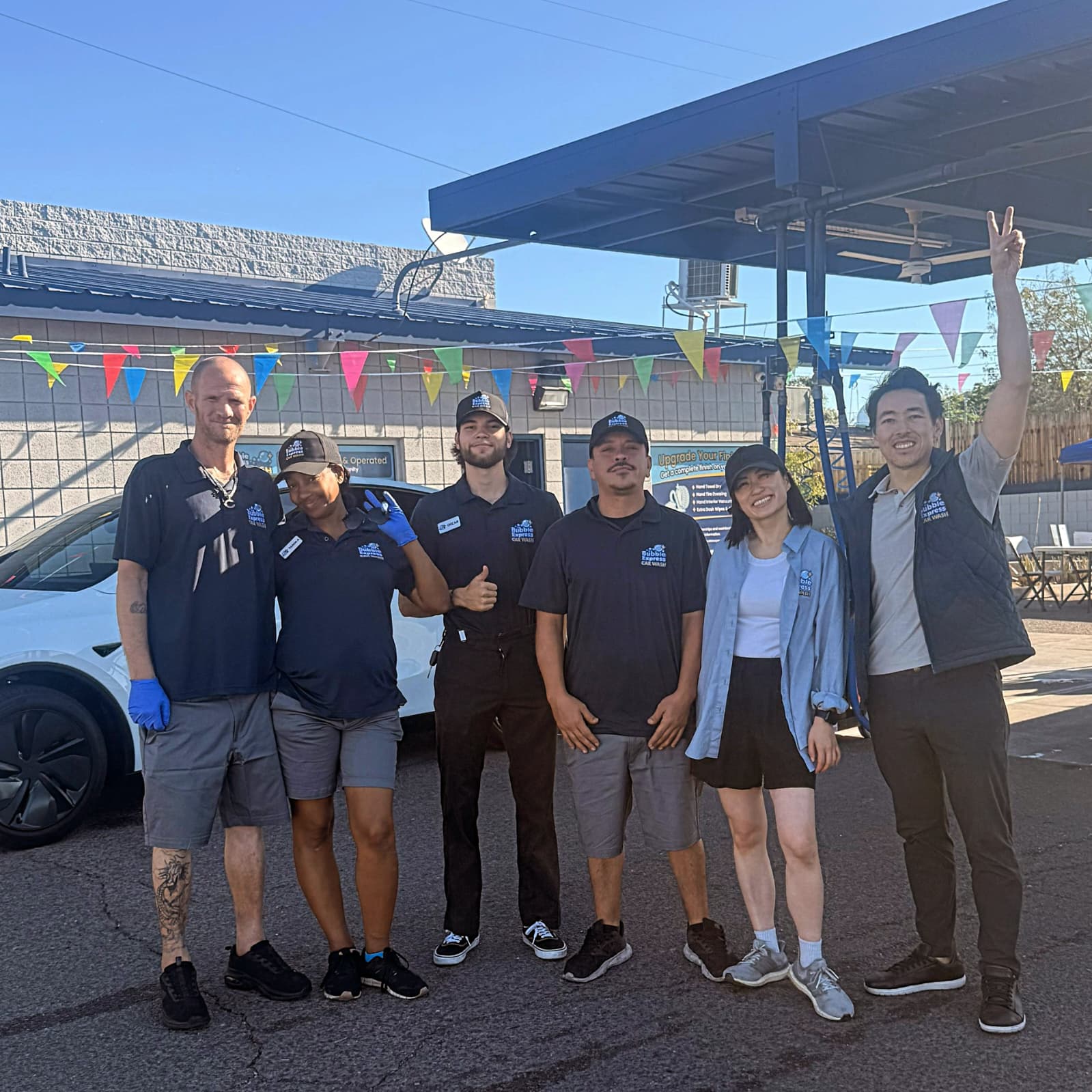
At Bubble Express Car Wash, the focus is on giving the vehicle a real start before it reaches the equipment. Strong pre-treatment and rich lather help loosen the stuff that water alone will not remove. This gives the wash equipment a better chance to do its job instead of simply moving over a dirty surface.
Soap and chemistry do more than make foam
A thick layer of soap looks good, but its real job is to help lift and carry away dirt. Quality wash chemistry breaks down road film and oily grime while providing lubrication between the wash materials and your vehicle’s surface.
This is especially useful in Phoenix, where dry dust can cover a vehicle quickly and sun-baked bugs can become difficult to remove. A good wash does not rely on one pass of foam. It uses cleaning products at the right points in the tunnel, followed by thorough rinsing that clears away loosened debris.
Upgraded protectants can also make a difference after the cleaning stage. Graphene protection, for example, is intended to add shine and help water bead on the vehicle’s exterior. It is not a replacement for professional paint correction or a permanent coating, but it can be a practical way to help your car look better between washes.
Brushes should clean with purpose
Some drivers hesitate around brushes because they have seen poorly maintained wash equipment or have had a disappointing result elsewhere. That concern is fair. The condition, material, and movement of the equipment all matter.
Modern systems such as NeoGlide brushes are designed to make more complete contact with the vehicle while treating the exterior with care. The point is not to throw more equipment at the car. It is to reach common trouble areas consistently, including side panels, wheel areas, and the back of SUVs and trucks where dust often lingers.
No wash can promise to remove every mark from every vehicle. Stubborn tree sap, etched water spots, oxidized paint, and baked-on debris may need additional attention. But properly maintained tunnel equipment, paired with good prep and chemistry, should handle the everyday dirt most Phoenix drivers face.
Drying matters as much as washing
A car can look clean in the tunnel and still leave with water dripping from mirrors, trim, and license plate areas. Strong dryers help reduce leftover water and make the finish look sharper as you pull out.
There is a practical limit, though. Vehicle shape plays a role. Roof racks, oversized mirrors, rear spoilers, and deep body seams can hold water no matter how good the dryers are. That is why finishing areas are valuable. A quick wipe with a clean towel can take care of those remaining drips before they become spots in the Arizona sun.
Why the Finishing Area Is Part of the Wash
Your vehicle’s exterior gets the first impression, but the inside is where you spend your time. A tunnel wash feels more complete when you can handle everyday interior cleanup right after the exterior is done.
Free towels, air guns, spray bottles, mat holders, stronger vacuums, dash wipes, and air fresheners are not filler extras. They solve the small problems that make a car feel messy: sand in the floor mats, crumbs under the seats, dusty cup holders, and water tucked into side mirrors or door handles.
Use the air guns for tight spots where a towel cannot reach. Shake out and vacuum your mats instead of leaving dirt behind to spread across the floor. Wipe the dash lightly, especially during dusty weeks, and use a clean towel for door jambs or drying the edges of the vehicle. A few extra minutes can make the car feel much more put together.
This is also where express car washes offer a real advantage over washing at home. Home washing takes time, uses your water, and still leaves you searching for towels, a vacuum, and a place to deal with runoff. A tunnel wash lets you finish the cleaning in one stop and get back to your day.
How Often Should You Wash Your Car in Phoenix?
It depends on where you drive, where you park, and how much the appearance of your vehicle matters to you. A car kept in a garage and driven lightly may only need a wash every couple of weeks. A commuter parked outside, a family SUV hauling kids and gear, or a work vehicle traveling across dusty roads may need attention every week.
Regular washing is not only about keeping a vehicle presentable. Dust, bugs, bird droppings, and road residue sit on the exterior and can become harder to remove when left too long. Frequent washes are often easier on your time than waiting until the vehicle looks neglected and needs extra effort.
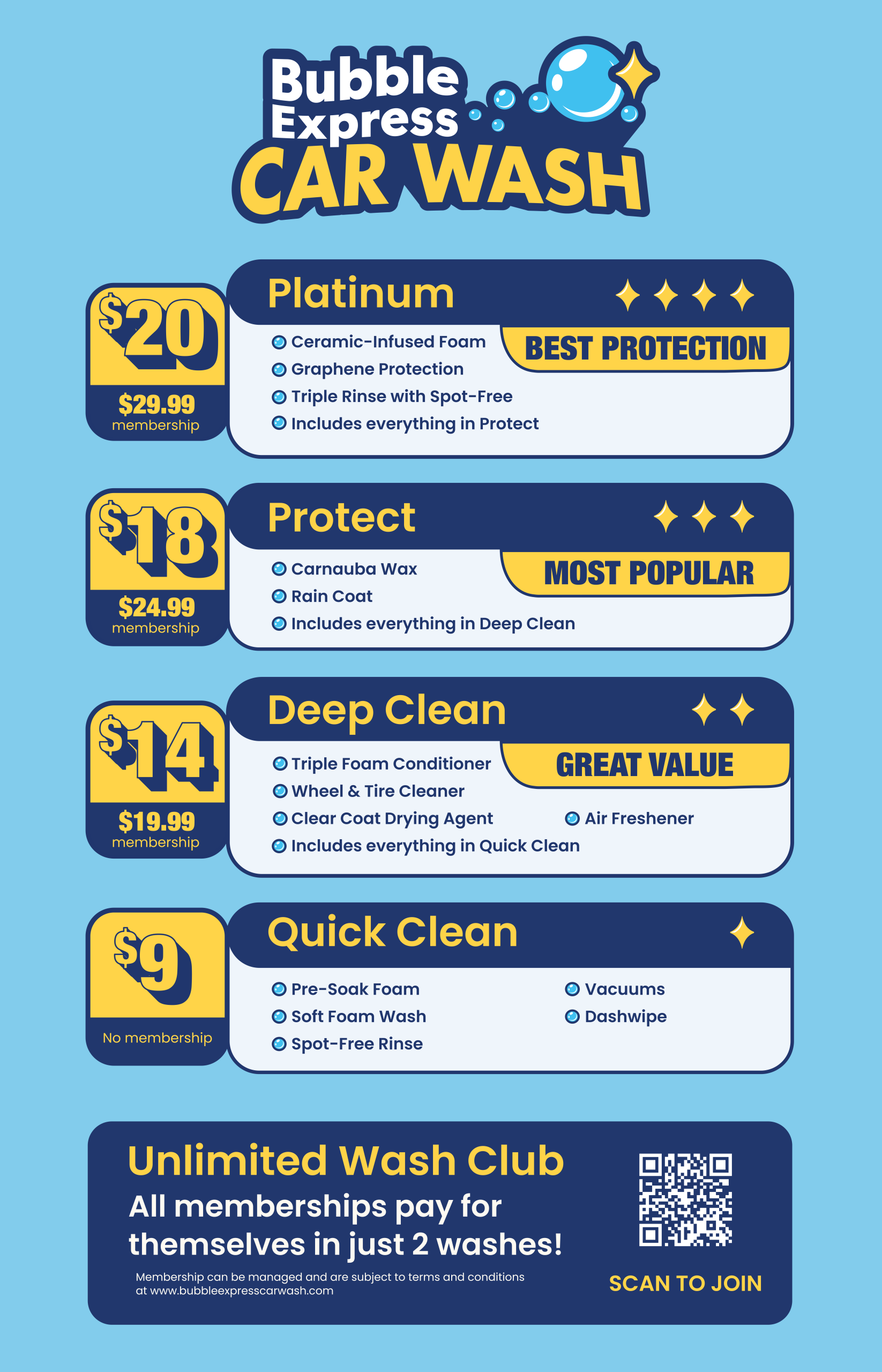
For people who wash often, an unlimited membership can be the more practical option. No-contract plans make it easy to wash when the dust rolls in, after a road trip, or before a weekend event without thinking about the cost of each visit. If your household has more than one vehicle, multi-car options can make routine cleaning simpler as well.
What to Expect From a Good Express Wash
A reliable tunnel wash should be easy to understand. You choose a wash level that fits your needs, the team helps guide you in, the tunnel handles the exterior cleaning, and the finishing area gives you the tools to wrap up. It should not require a complicated process or a long wait to get a clean vehicle.
It also should not overpromise. An express wash is made for convenient, repeatable everyday care. It will not repair faded clear coat, remove deep scratches, or replace a full interior detail. What it can do is keep routine grime from taking over and help your vehicle look cared for week after week.
The real test is what you see when you walk back to your car: cleaner wheels, less dust on the paint, a brighter finish, clearer glass, and an interior that feels better to sit in. When those basics are handled well, a wash is no longer just another chore. It is one quick stop that makes the rest of your drive a little better.
The next time dust, bugs, or daily miles start showing on your vehicle, do not wait for the mess to get worse. Give it a proper wash, take a few minutes at the vacuums, and head back out with a car that looks ready for Phoenix.