

A dusty dashboard can make a freshly washed car still look neglected. In Phoenix, that layer returns fast – especially after leaving windows cracked, parking outside, or tracking desert dust in on your shoes. Knowing how to clean dashboard dust the right way keeps your interior looking better without leaving shiny residue, streaks, or damage behind.
The good news is that this is not a complicated job. The right cloth, a light touch, and a few minutes at the vacuum area can make a major difference.
Start With Dry Dust Removal
For most dashboards, begin dry. Grab a clean microfiber towel and gently wipe the dash, instrument panel, center console, door trim, and other hard interior surfaces. Fold the towel into quarters so you can switch to a clean section as it picks up dust.
This first pass matters because rubbing damp cleaner over a heavy layer of grit can smear it around. It can also push dirt into textured plastic, air vents, seams, and buttons. A soft microfiber towel lifts loose dust instead of dragging it across the surface.
Avoid paper towels, old T-shirts, or rough shop rags. They may seem harmless, but rough materials can leave lint behind and may create fine scratches on glossy trim or clear gauge covers.
How to Clean Dashboard Dust From Vents and Tight Spots
Dash vents are where dust likes to settle and stay. A microfiber towel can handle the surface, but you will need something smaller for the slats and corners. A soft detailing brush works well, as does a clean makeup brush reserved for car cleaning.
Brush gently across the vent slats while holding a vacuum nozzle nearby if possible. That keeps loosened dust from settling right back onto the dash or blowing deeper into the vents. You can also use compressed air carefully, but do not blast air directly into electronics, screens, or loose trim.
For cup holders, shifter surrounds, door pockets, and the seam around the steering column, wrap a microfiber towel around your finger or use a soft brush. Take your time around buttons and labels. Hard scrubbing can wear down printed icons over time.
Use Cleaner Only When the Dash Needs It
Dust alone usually does not require a spray cleaner. If your dashboard has fingerprints, sunscreen residue, spills, or sticky buildup, use an interior-safe cleaner made for plastic, vinyl, and rubber. Spray it onto the microfiber towel, not directly onto the dashboard.
Spraying straight onto the dash can send cleaner into vents, switches, screen edges, and gauge clusters. It also makes it easier to use too much product, which is one of the main reasons dashboards end up streaky or greasy-looking.
Wipe one small area at a time, then follow with a dry side of the towel. The goal is a clean, natural finish – not a slick shine. A dashboard that looks overly glossy can create windshield glare during bright Phoenix afternoons, which is not just annoying. It can make driving harder.
Be especially careful with infotainment screens and digital displays. Use a clean, dry microfiber towel first. If it needs more than dusting, use a cleaner specifically labeled as safe for screens, applied lightly to the cloth. Household glass cleaners can damage coatings and leave cloudy marks on some displays.
Do Not Use These Common Dashboard Shortcuts
A clean interior should feel clean, not coated. Skip products that leave a heavy, oily finish or promise an extreme wet shine. They attract more dust, can make the dash look uneven, and may leave residue on your hands or windshield.
Also avoid bleach, ammonia-based cleaners, abrasive pads, and strong all-purpose degreasers unless they are specifically approved for automotive interiors. Dashboard materials spend years dealing with heat and UV exposure. Harsh chemicals can dry them out, fade the color, or cause surfaces to become brittle.
If you are unsure about a product, test it on a small, less visible spot first. That is a simple step that can save you from a permanent mark on the passenger-side trim or center console.
A Simple Dashboard Cleaning Routine
The best routine depends on how you use your vehicle. A commuter who parks in a garage may only need a quick wipe once a week. If your car sits outside, carries kids, sees job sites, or regularly travels through dusty North Phoenix roads, a light dusting every few days may be worth it.
For a practical routine, keep one clean microfiber towel in the glove box or center console. When you stop for fuel, wait in a pickup line, or finish vacuuming your vehicle, take a minute to wipe the most visible surfaces. Small cleanups are easier than waiting until dust has built up for weeks.
A more thorough interior reset every few weeks can include vacuuming floor mats and seats, brushing vents, wiping the dash and door panels, and cleaning interior glass. This approach keeps dirt from moving around the cabin and helps your car feel cleaner every time you get in.
Keep Dust From Coming Back So Fast
No dashboard stays dust-free forever in the desert, but a few habits can slow the buildup. Close windows before parking in windy conditions, shake out floor mats regularly, and avoid storing loose papers, towels, or fabric items on the dash. Those items collect dust and shed fibers.
A windshield sunshade can help, too. Its main job is reducing heat, but it also limits direct sun exposure that can dry and fade dashboard materials. That matters in Phoenix, where a parked car can heat up quickly.
Check your cabin air filter on the schedule recommended for your vehicle. A dirty filter will not create all the dust you see inside, but replacing an overdue filter can help your ventilation system run cleaner and more effectively. If you notice a musty smell or weak airflow, it may be time to have it inspected.
Finish Your Wash With an Interior Touch-Up
A clean exterior and a dusty interior do not match. When you wash your car, use the finishing area to handle the quick details that make the whole vehicle look cared for. Vacuum loose debris first, then wipe the dashboard after the dust has settled.
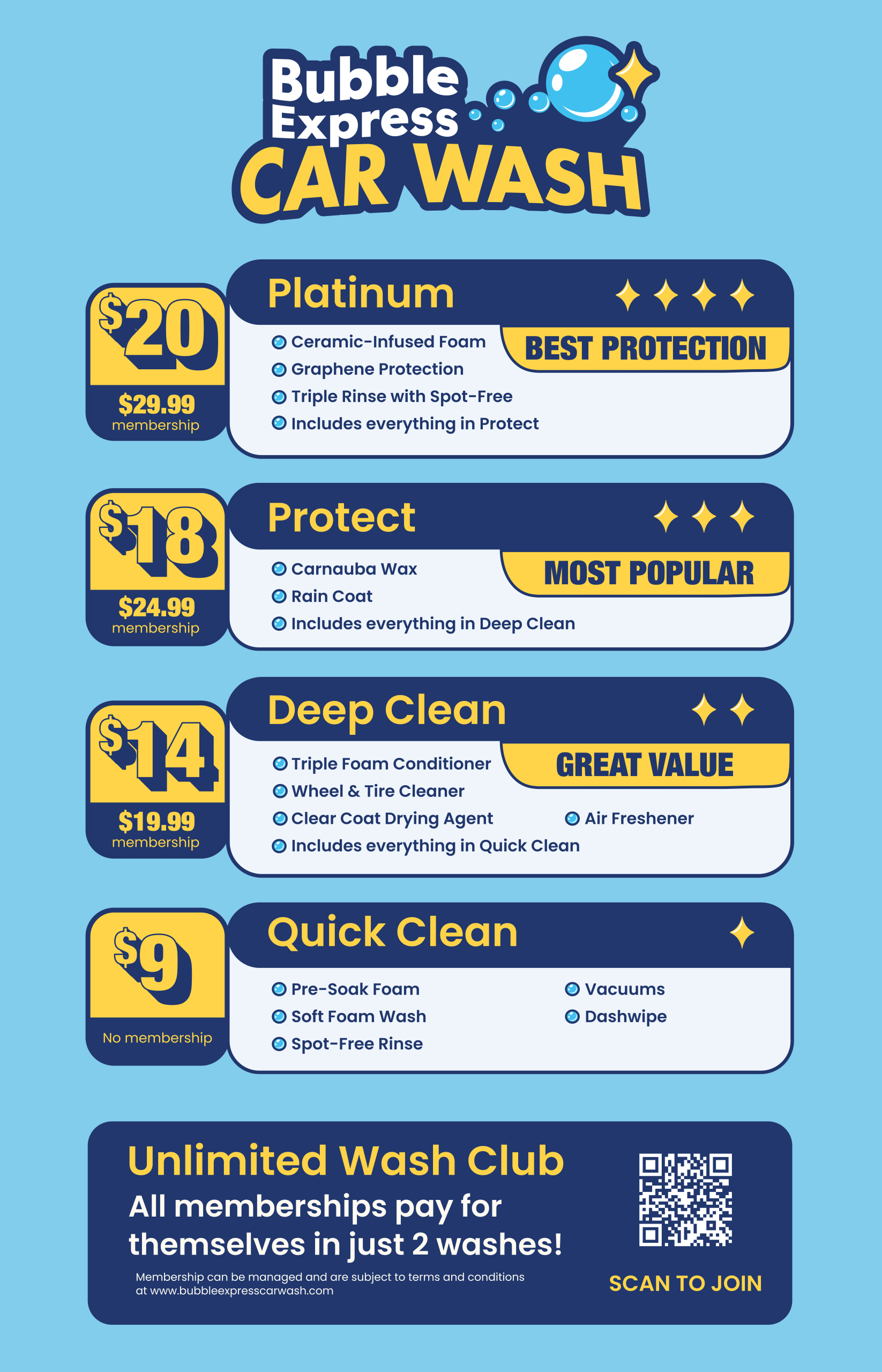
At Bubble Express Car Wash, the finishing amenities are there for exactly this kind of real-world cleanup: stronger vacuums, air guns, towel service, spray bottles, dash wipes, and mat holders. A few extra minutes after the tunnel can help you leave with a car that actually looks clean inside and out.
Keep your dashboard routine simple, use gentle materials, and do not chase a greasy showroom shine. A clean microfiber towel and regular attention will do more for your interior than a shelf full of harsh products ever will.