A car can look clean and still smell like last week’s drive-thru, a damp gym bag, or something hiding under the back seat. In Phoenix, heat turns small messes into big smells fast. To remove car odors for good, skip the cover-up sprays at first and find what is feeding the odor.
Start by Finding Where the Smell Lives
Odors do not usually come from the air alone. They cling to fabric, settle into floor mats, collect in the trunk, or grow inside a damp air-conditioning system. A strong air freshener may make the cabin smell better for a day, but it will not fix spilled milk in the carpet or mildew in the vents.
Park in a shaded spot, open the doors, and take a slow look through the car. Check under the seats, between seat cushions, in every door pocket, and beneath the floor mats. Empty the trunk too. Old fast-food bags, forgotten water bottles, wet towels, kids’ gear, and takeout containers are common culprits.
Pay attention to when the smell is strongest. If it hits you as soon as you open the door, the source is often upholstery, carpet, or trash. If it appears only when the AC starts, the cabin air filter or evaporator may be the issue. If the smell gets worse after rain or a car wash, look for damp carpet, a leaking door seal, or moisture in the trunk.
Remove Car Odors at the Source
Once you know where to focus, clean the material that is holding the smell. The best approach depends on the mess and how long it has been there.
Clear out debris and vacuum thoroughly
Start with the simple work. Remove trash, shake out the floor mats, and vacuum the seats, carpet, cracks, and trunk. Use a crevice tool along the seat tracks and under the front seats, where food and pet hair tend to collect unnoticed.
Phoenix dust can make this job harder than it sounds. Fine dust gets into carpet fibers and combines with spilled drinks, sunscreen, and food residue. A quick pass may improve appearances, but a slower vacuuming job gives odor-removing products a better chance to work.
Treat food, drink, and pet accidents quickly
For a fresh spill, blot it first. Rubbing can push the mess deeper into the fabric or carpet pad. Use a cleaner made for automotive upholstery or carpet, following the label instructions. Test it on a small hidden spot before treating a large area, especially on light-colored seats or delicate trim.
For pet accidents, an enzyme cleaner is usually the better choice. It is designed to break down the organic material that causes the smell. Standard soap may clean the surface while leaving enough residue behind for the odor to return on the next hot afternoon.
After cleaning, dry the area completely. This matters in every climate, but especially when a Phoenix car sits in the sun. Heat can intensify any residue left behind, while trapped moisture can create a musty smell of its own. Leave the doors open in a safe, shaded place or run the fan with the windows cracked until the fabric is dry.
Clean cloth seats, mats, and carpet without soaking them
Cloth holds odor more easily than vinyl or leather. Use a light application of upholstery cleaner, agitate gently with a soft brush, and blot away the loosened dirt. Avoid flooding the carpet. If the carpet pad underneath becomes soaked, it can take days to dry and may develop mildew.
Rubber mats are easier. Remove them, rinse away dirt, scrub both sides, and let them dry before putting them back. Do not reinstall mats while they are wet. That small shortcut can leave your car smelling damp every time you get in.
Leather and vinyl need a different approach. Wipe them with a cleaner made for that surface, then use a conditioner on leather if needed. Heavy household cleaners can leave residue, damage the finish, or create a perfume-like smell that is just as distracting as the original problem.
Do not forget the trunk and spare-tire area
The trunk is a frequent odor trap because spills are easy to miss there. Check under the cargo mat, around the spare tire, and near the trunk seals. If you find standing water or soaked carpet, dry it right away and look for the reason it got wet. A leaking seal, damaged weather stripping, or a clogged drain can turn a one-time smell into a recurring problem.
When the AC Is Making Your Car Smell Bad
A sour, musty, or dirty-sock smell when you turn on the air conditioning often points to moisture and bacteria around the AC system. In desert heat, the AC runs hard for much of the year, so this is a common issue for Phoenix drivers.
Start with the cabin air filter. A dirty filter can hold dust, pollen, and moisture, then send that smell back through the vents. Check your owner’s manual for the filter location and replacement schedule. If the filter looks gray, clogged, or damp, replace it rather than trying to spray over it.
You can also use an automotive vent cleaner designed for AC systems. Follow the directions carefully, and do not spray household disinfectants deep into the vents. If the odor remains, or if you notice weak airflow, water on the passenger-side floor, or an ongoing mildew smell, have a qualified technician inspect the evaporator drain and AC system. That is usually more cost-effective than repeatedly buying products that only mask the issue.
Use Odor Absorbers After Cleaning, Not Instead of Cleaning
Once the source is gone, an odor absorber can help clear out what is left in the cabin. Baking soda, activated charcoal, and odor-absorbing bags can be useful for mild lingering smells. Leave one in the car for a few days, then replace or refresh it as directed.
Air fresheners have a place too. A clean car with a light, fresh scent feels better than a car that smells like a chemical aisle. Just keep the order right: clean first, absorb second, freshen last. If a scent seems to disappear within a day, that is a clue the underlying source is still there.
Ozone treatments are sometimes used for severe smoke or mildew odors, but they are not a casual DIY fix. Ozone can be unsafe to breathe and may affect certain interior materials when misused. For a vehicle with heavy smoke damage, mold, or a persistent biological odor, professional detailing or mechanical repair may be the smarter call.
Keep New Odors From Taking Over
A few small habits make a big difference in a daily-driver vehicle. Take trash out every time you fill up, wipe spills before they dry, and do not leave wet clothes or towels inside overnight. If you transport pets, use a washable seat cover and vacuum the hair before it works down into the carpet.
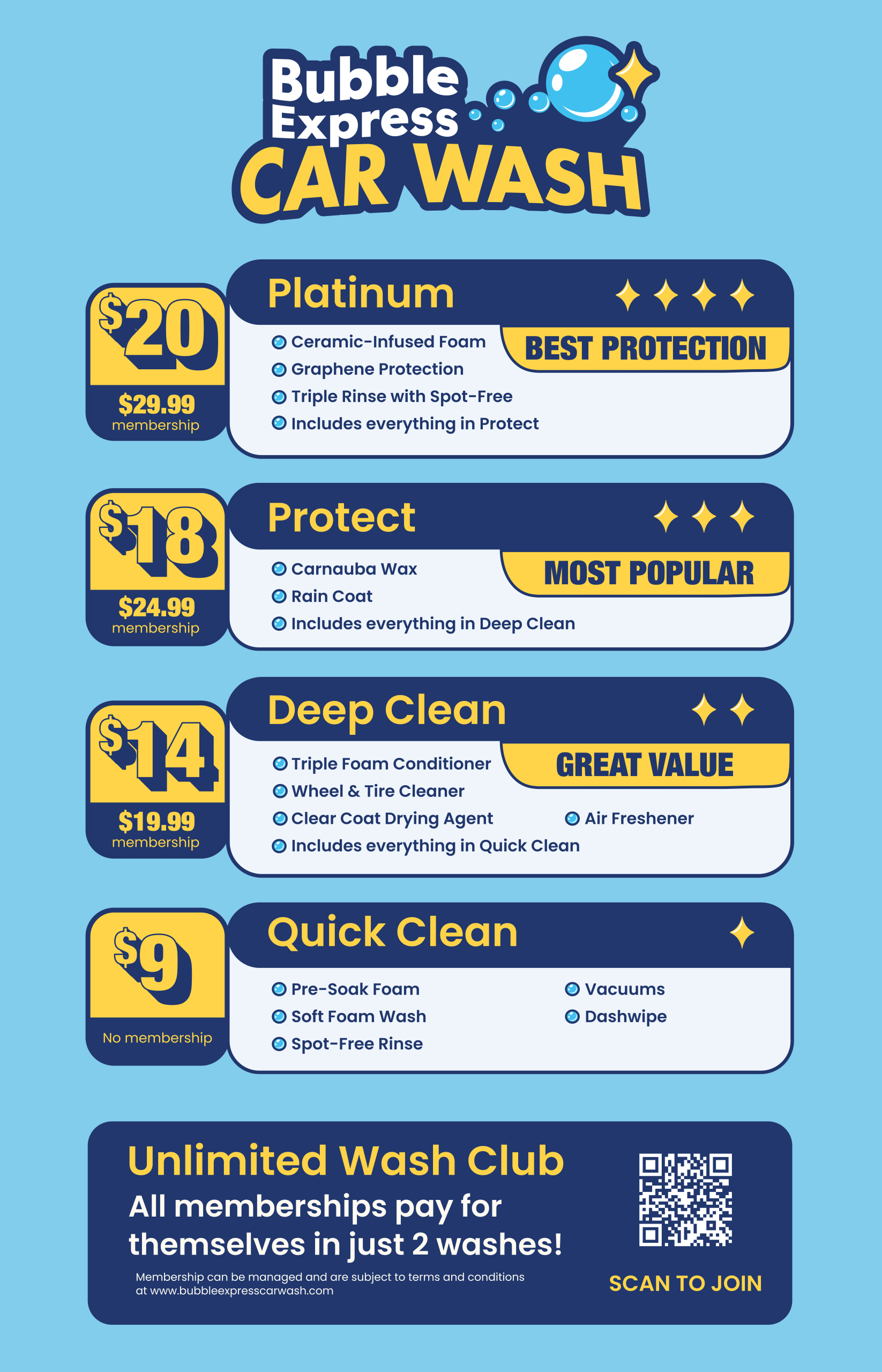
Regular interior cleanups also stop dust and debris from becoming part of the problem. At Bubble Express Car Wash, the vacuums, mat holders, air guns, dash wipes, and air fresheners are there to help customers finish the job, not just wash the outside. A few extra minutes after a wash can keep the interior from reaching the point where the smell has settled in.
If your car has been cleaned thoroughly and the odor still returns, trust that signal. A recurring smell can point to hidden moisture, a leaking seal, a clogged AC drain, or a spill that reached the carpet padding. Finding that problem early is easier on your car and your wallet than trying to cover it up one more time.
The goal is not a car that smells like perfume. It is a car that smells clean when you open the door, even after a hot Phoenix afternoon and a busy week on the road.